

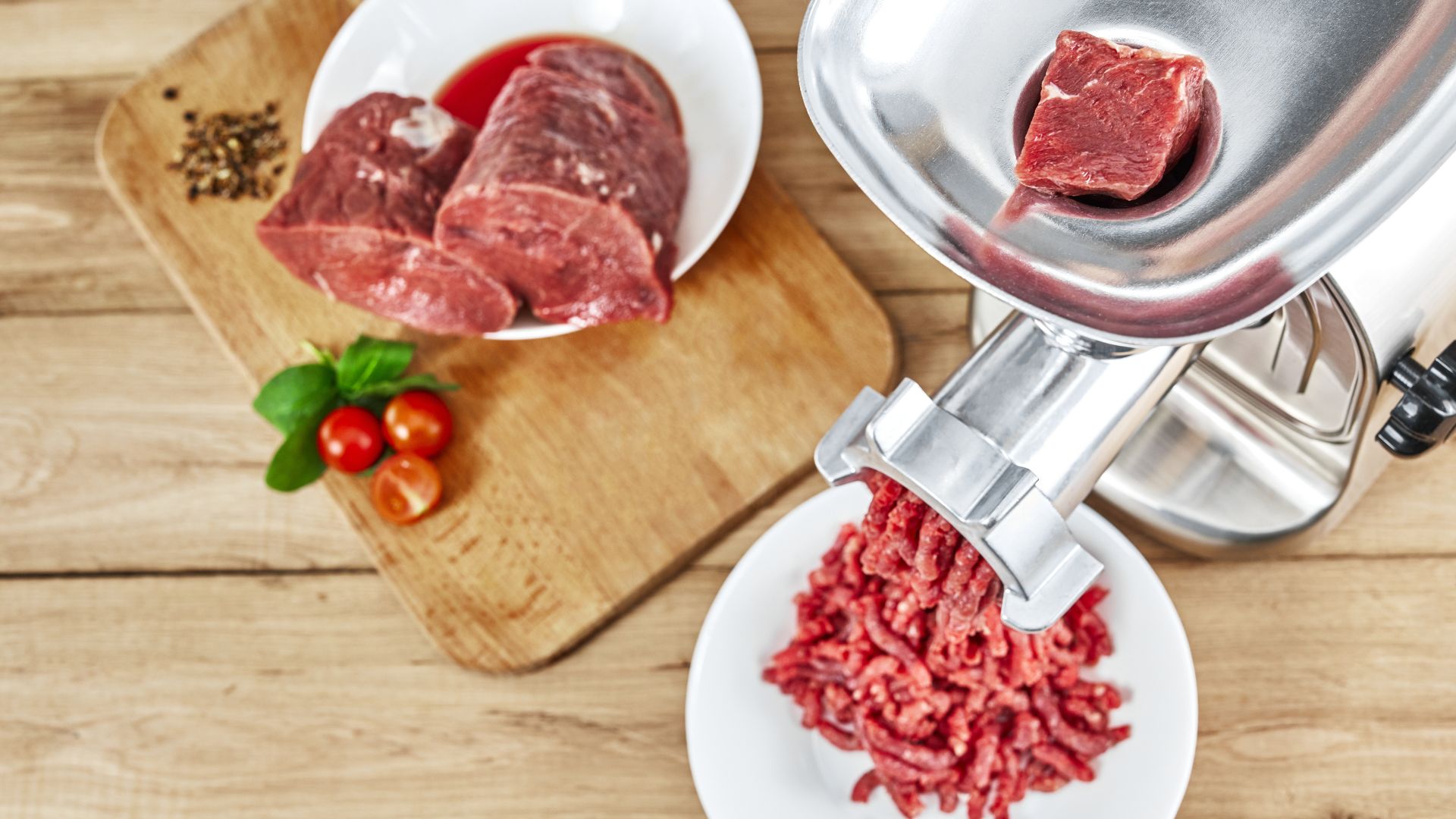
Commercial meat grinders are essential pieces of equipment in many professional kitchens, butcher shops, food processing facilities, and restaurants. They help businesses process large quantities of meat efficiently while maintaining consistent results. However, like any other commercial food machine, a grinder needs proper care and maintenance to perform reliably over time.
For businesses that rely on professional food processing equipment, Mirabake is one resource to explore when learning more about commercial machinery and understanding how different meat grinder components work together. Knowing the basic parts of a grinder can make maintenance easier and help operators identify potential problems before they become serious.
A well-maintained meat grinder can improve productivity, reduce unexpected downtime, and help maintain consistent food quality. Whether you operate a small butcher shop or a large commercial kitchen, developing a regular maintenance routine is a smart way to protect your equipment investment.
Understand How Your Meat Grinder Works
Before maintaining any machine, it helps to understand its basic operation.
A commercial meat grinder typically uses several key components that work together to move, cut, and process meat. Depending on the machine design, these may include a hopper, feeding mechanism, auger, cutting blade, grinding plate, and other internal components.
The meat is placed into the hopper and moved through the machine by the rotating auger. As the product reaches the cutting area, the blade and grinding plate work together to produce the desired texture.
Each component has a specific function, which means a problem with one part can affect the performance of the entire machine.
Understanding this basic process makes it easier for operators to recognize unusual sounds, changes in grinding quality, or other warning signs.
Clean the Machine After Every Use
Regular cleaning is one of the most important parts of meat grinder maintenance.
Meat residue can remain inside the machine after processing. If it is not removed properly, it may create hygiene concerns and contribute to unpleasant odors or bacterial growth.
After each production session, follow the manufacturer’s cleaning instructions carefully. Remove the appropriate components and clean them thoroughly using suitable food-safe cleaning products.
Pay special attention to areas where meat particles may become trapped.
The machine should be cleaned according to the requirements of your food safety procedures. Components should be dried properly before reassembly to reduce the risk of moisture-related problems.
Never assume that a quick rinse is enough. A thorough cleaning routine helps protect both the equipment and the quality of the food being processed.
Inspect the Cutting Blade Regularly
The cutting blade is one of the most important components of a meat grinder.
A sharp, properly maintained blade helps produce consistent results. Over time, however, blades can become dull due to regular use.
A dull blade may cause several problems. Instead of cutting meat cleanly, it may compress or tear the product. This can affect the texture of the finished meat and may also place additional strain on the machine.
Inspect the blade regularly for signs of wear or damage.
If the blade is no longer performing properly, it may need to be sharpened or replaced. The correct approach depends on the machine design and the manufacturer’s recommendations.
Using damaged or excessively worn cutting components can affect both performance and safety.
Check the Grinding Plate
The grinding plate works closely with the cutting blade to determine the final texture of the meat.
Different plate sizes can produce different levels of coarseness, allowing businesses to process meat according to specific recipes or customer requirements.
Like the blade, the grinding plate should be inspected regularly.
Look for signs of damage, excessive wear, or blocked holes. A damaged plate may prevent the machine from producing consistent results.
After cleaning, make sure the plate is correctly positioned before operating the grinder.
Proper alignment between the blade and plate is essential for effective grinding. If these components do not work together correctly, the machine may produce poor results or experience unnecessary mechanical stress.
Monitor the Auger
The auger is responsible for moving meat through the grinder.
Because it handles continuous product flow, it can experience significant wear over time. Regular inspection can help identify problems before they cause major interruptions.
Check the auger for visible damage, unusual wear, or signs that it is not rotating smoothly.
If the auger becomes damaged or does not operate correctly, the machine may struggle to move meat through the grinding chamber.
Operators should also avoid overloading the machine. Feeding too much product into the hopper at once can place additional pressure on the auger and motor.
Following the manufacturer’s recommended capacity can help maintain consistent performance.
Use the Correct Meat Temperature
The temperature of the meat can influence grinding performance.
In many commercial applications, meat is processed at a controlled temperature to achieve the desired texture and consistency. Meat that is too warm may become soft and difficult to process effectively.
Depending on the application and food safety requirements, businesses should follow appropriate handling and temperature guidelines.
Using meat at a suitable temperature can help the grinder work more efficiently and may also reduce product smearing.
Temperature management is therefore an important part of both product quality and equipment performance.
Avoid Overloading the Machine
Commercial grinders are designed to handle significant workloads, but every machine has limits.
Overloading the grinder can increase stress on the motor and other mechanical components. It may also reduce grinding efficiency and create unnecessary wear.
Operators should follow the manufacturer’s recommended capacity and processing speed.
If the machine regularly struggles to keep up with production demands, it may be a sign that the business needs a higher-capacity grinder rather than simply pushing the existing equipment beyond its intended limits.
Using the right machine for the workload can improve efficiency and extend equipment life.
Lubricate Components When Required
Some meat grinder components may require lubrication as part of routine maintenance.
However, not every component should be lubricated, and using the wrong product can create problems.
Always follow the manufacturer’s instructions regarding lubrication. If food-contact areas are involved, only use products approved for the intended application.
Regular lubrication of appropriate mechanical components can help reduce friction and wear.
At the same time, excessive lubrication can attract dirt or create other maintenance issues. The goal is to follow a consistent schedule based on the equipment manufacturer’s recommendations.
Watch for Unusual Sounds
Experienced operators often notice changes in machine sounds before a serious problem develops.
Grinding equipment should operate with a relatively consistent sound during normal use. Unusual noises such as grinding, rattling, squeaking, or excessive vibration may indicate a problem.
These symptoms should not be ignored.
A strange noise could be caused by a loose component, worn part, improper assembly, or another mechanical issue.
Stopping the machine and investigating the cause early may prevent a minor problem from becoming a major repair.
If the cause is unclear, contact a qualified technician or the equipment manufacturer for guidance.
Replace Worn Parts Promptly
Even with excellent maintenance, commercial meat grinder components eventually wear out.
Parts that experience regular friction or cutting action may require replacement over time.
Trying to continue using heavily worn components can reduce performance and potentially damage other parts of the machine.
Businesses should keep track of commonly replaced components and consider maintaining a small inventory of essential spare parts.
Having replacement components available can reduce downtime when maintenance is required.
When ordering replacement parts, make sure they are compatible with the exact machine model. Using incorrect components may result in poor performance or equipment damage.
Train Your Staff
Proper equipment maintenance is not only the responsibility of the manager or maintenance team.
Employees who operate the grinder every day should understand basic cleaning, inspection, and operating procedures.
Training should cover topics such as:
- Safe machine operation
- Correct loading procedures
- Cleaning requirements
- Component inspection
- Warning signs of mechanical problems
- Emergency procedures
Well-trained employees are more likely to notice small problems early and less likely to make mistakes that could damage the machine.
Clear instructions also help ensure that maintenance procedures are followed consistently across different shifts.
Keep a Maintenance Schedule
A written maintenance schedule can make it easier to stay organized.
Daily tasks may include cleaning and basic visual inspection. Weekly or monthly tasks might involve more detailed checks of specific components.
The exact schedule depends on how frequently the grinder is used and the manufacturer’s recommendations.
Keep records of cleaning, inspections, repairs, and replacement parts.
These records can help identify recurring issues and make it easier to plan future maintenance.
They can also be useful when evaluating whether an older machine should be repaired or replaced.
Know When Professional Service Is Needed
Some maintenance tasks can be performed by trained employees, but more complex repairs may require professional assistance.
If the motor, electrical system, or internal mechanical components develop a serious problem, attempting a repair without the necessary expertise can create safety risks or cause further damage.
Professional technicians can diagnose problems and replace components correctly.
Businesses should have a clear process for reporting equipment issues so that damaged machinery is not used until it has been properly inspected.
Preventive maintenance is often less expensive than emergency repairs, especially when equipment failure interrupts production.
Consider the Quality of Replacement Components
When replacing worn or damaged parts, quality matters.
Low-quality replacement components may not provide the same performance or durability as the original parts.
Businesses should consider factors such as material quality, compatibility, manufacturing standards, and expected service life.
Understanding the different parts of a meat grinder can also help operators make better decisions when identifying components that need inspection or replacement.
It is important to use parts that are appropriate for the specific machine model and intended application.
Consider Equipment Upgrades
Sometimes, frequent maintenance problems are a sign that equipment has reached the end of its useful life.
Older machines may become less efficient, require increasingly expensive repairs, or lack features available in modern commercial equipment.
If repair costs continue to increase, compare the long-term cost of maintaining the existing grinder with the investment required for a newer model.
Modern commercial food machinery may offer improved efficiency, safety features, automation, and easier maintenance.
An equipment upgrade can therefore be a practical business decision when an older machine is no longer meeting production needs.
Final Thoughts
Maintaining a commercial meat grinder is essential for reliable performance, consistent product quality, and efficient food processing. Regular cleaning, proper operation, component inspection, and timely replacement of worn parts can all contribute to a longer equipment lifespan.
Start with a simple maintenance routine and make sure employees understand how to operate and clean the machine correctly. Pay close attention to important components such as the cutting blade, grinding plate, auger, and other parts that experience regular wear.
Businesses interested in commercial food machinery can also explore Mirabake when researching equipment information and understanding the role of different meat grinder components.
Most importantly, do not ignore warning signs. Unusual sounds, inconsistent grinding, excessive vibration, or declining performance may indicate that professional inspection is needed.
For businesses researching food machinery and equipment components, mirabake.com can be another resource to consider when learning more about commercial processing equipment.
With consistent care and a well-planned maintenance schedule, a commercial meat grinder can remain a valuable part of a professional food operation for many years. Good maintenance is not simply about preventing breakdowns—it is about protecting productivity, food quality, and the long-term value of your equipment.
