

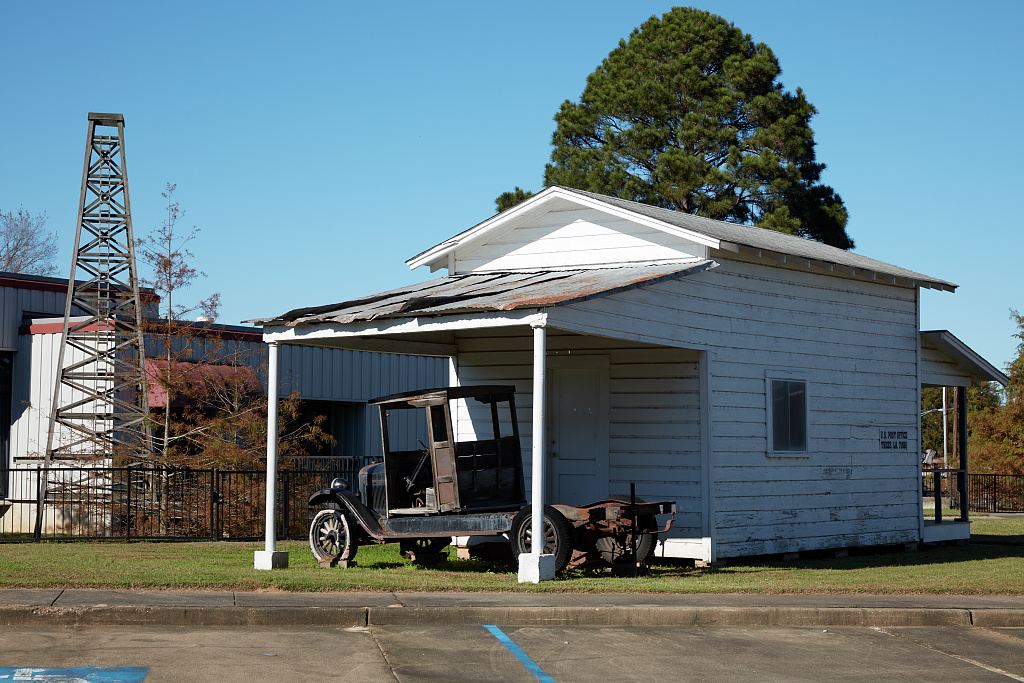
The skills that built the oil industry — drilling, heavy engineering, working in harsh places on unforgiving schedules — turn out to be transferable. Across regions synonymous with hydrocarbons, from West Texas to Aberdeen, communities are deliberately courting wind farms, solar arrays, battery plants and geothermal projects, determined that the energy economy’s next chapter keeps their towns in it rather than stranding them as monuments to the last one.
Why oil towns start with advantages
Start with the grid: energy regions already have transmission infrastructure, substations and the engineers who maintain them. Add land — lots of it, often already industrial in character — plus ports built for heavy cargo, fabrication yards, and a workforce that does not need offshore safety explained to it. Developers say a former oil fabrication yard can pivot to making foundations for offshore wind turbines with less reinvention than almost any other industrial site.
The economics increasingly cooperate. Analysis by the International Energy Agency shows clean-energy investment now far outpacing fossil fuel investment globally, and oil towns intend to capture their share of that flow. On oilcitynews.com we have reported on mayors who tour battery conferences with the same pitch their predecessors took to oil congresses: we have the people, the land and the permits culture — bring the project here.
The transition is not painless, or evenly shared
Honesty requires the other half of the story. Renewable projects employ fewer people permanently than the fields and refineries they neighbour; construction booms end. Royalties and tax revenues from oil funded schools and services that renewables, taxed differently, may not replace. Some workers find their skills transfer at lower wages, and towns that bet everything on one anchor project have been burned when it moved elsewhere.
Our Energy coverage follows the places managing it best: those treating transition as a portfolio — geothermal from old wells, carbon storage in depleted fields, hydrogen pilots, component manufacturing — rather than a single bet, and investing in retraining before the redundancy notices, not after.
A second act, written locally
The energy transition is usually described in gigawatts and global targets. In oil towns it is described in mortgages, school rolls and whether the young people stay. That is why the second-act stories matter beyond their postcodes: they are where the abstract politics of transition either becomes a livelihood people can see, or fails to. The towns placing their bets early are determined it will be the former.
Identity is the deepest layer
Ask residents what is at stake and the answer quickly leaves economics. Oil towns possess a proud self-image — places that power the world, that do hard things in hard conditions — and decline threatens identity before it threatens income. The second-act projects that succeed socially are those that honour that identity rather than apologising for it: the welder’s skill celebrated equally on a turbine foundation, the energy museum beside the new training college. Transition strategists call this ‘just transition’ and measure it in retraining places and pension bridges. The towns measure it more simply: whether their children can imagine a future that still includes them, in the place that made them.
