

Evaluating Long-Term Value in Premium Real Estate
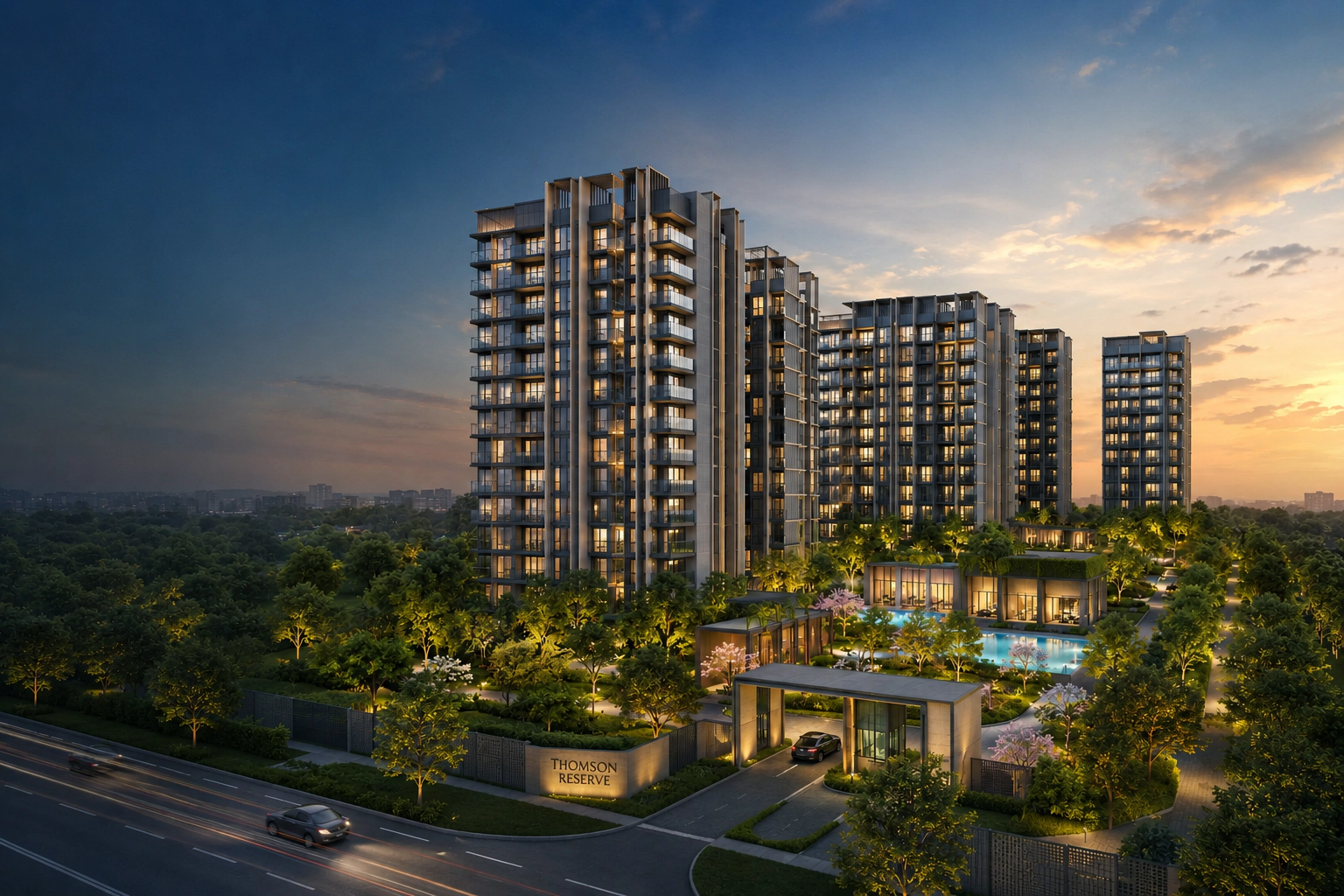
Evaluating premium real estate requires looking beyond aesthetic appeal to analyze structural, economic, and regional growth drivers. When assessing properties like Thomson Reserve, buyers must weigh immediate lifestyle benefits against projected capital appreciation. High-end developments often promise luxury, but true long-term value depends on enduring factors such as location viability and developer execution. This analytical approach becomes even more critical when comparing top-tier projects, such as comparing the investment potential of Lucerne Grand with other premium residential hubs. By examining specific metrics like land tenure, proximity to transit, and district master plans, buyers can make informed decisions that protect their capital and ensure sustained rental yields over the next several decades.
Analyzing Regional Connectivity and Infrastructure Growth
Location remains the most influential factor in real estate valuation, directly dictating how a property performs during market fluctuations. For developments in highly sought-after districts, proximity to major transport nodes and established educational institutions provides a strong safety net for capital preservation. Properties situated near upcoming mass transit lines or major expressway upgrades typically experience a significant valuation bump upon infrastructure completion.
Comparing Transit Accessibility
When evaluating the accessibility of a premium residential project, investors should study the local urban master plan to identify planned commercial hubs nearby. A property that sits within walking distance of an active transit interchange will always command a premium over a more isolated development. Furthermore, proximity to reputable schools reduces vacancy rates, as families prioritize convenience above all else.
Urban Renewal Impact
Urban renewal initiatives by local municipal authorities can transform a quiet neighborhood into a bustling economic zone. Investors must verify if the surrounding land parcels are zoned for commercial use, green parks, or further residential density. A balanced mix of retail spaces and recreational parks near these developments ensures that the neighborhood remains highly desirable, sustaining demand from both affluent tenants and future buyers.
Assessing Architectural Integrity and Layout Design
The physical structure of a residential development plays a critical role in its depreciation rate and long-term appeal. Premium projects must utilize durable materials that withstand weather wear and minimize maintenance costs for the homeowners’ association. When assessing Thomson Reserve, the quality of construction materials, from double-glazed windows to high-grade natural stone, directly impacts the building’s aesthetic longevity.
Spatial Efficiency and Floor Plans
Modern buyers prioritize functional layouts over sheer square footage. Efficiency in floor plans means minimal wasted space in corridors, practical kitchen placements, and adaptable living areas that can accommodate remote work setups. A well-designed three-bedroom unit will maintain its market value much better than a larger, poorly configured layout with awkward structural pillars.
Sustainability Features
Green building certifications and energy-efficient systems are no longer optional luxuries; they are essential components of future-proof real estate. Developments incorporating solar panel integration, rainwater harvesting, and smart climate control systems experience lower operational costs. These sustainable features help modern residential projects remain competitive in a rental market where tenants increasingly prioritize environmental responsibility and lower utility bills.
Evaluating Developer Track Record and Quality Standards
A developer’s reputation serves as an informal guarantee of construction quality, timely delivery, and post-occupancy maintenance. Established builders with a history of successful premium projects bring a level of credibility that positively influences secondary market buyers. Investigating past projects completed by the creators of these luxury residences offers valuable insights into how their buildings age and whether the developer honors warranty commitments.
Historical Maintenance and Upkeep
Take the time to visit older developments managed by the same firm. Observe the state of the communal facilities, the cleanliness of the facade, and the functionality of security systems. If a developer’s ten-year-old property still looks contemporary and functions smoothly, it indicates a strong commitment to structural integrity and proactive property management.
Financial Stability of the Builder
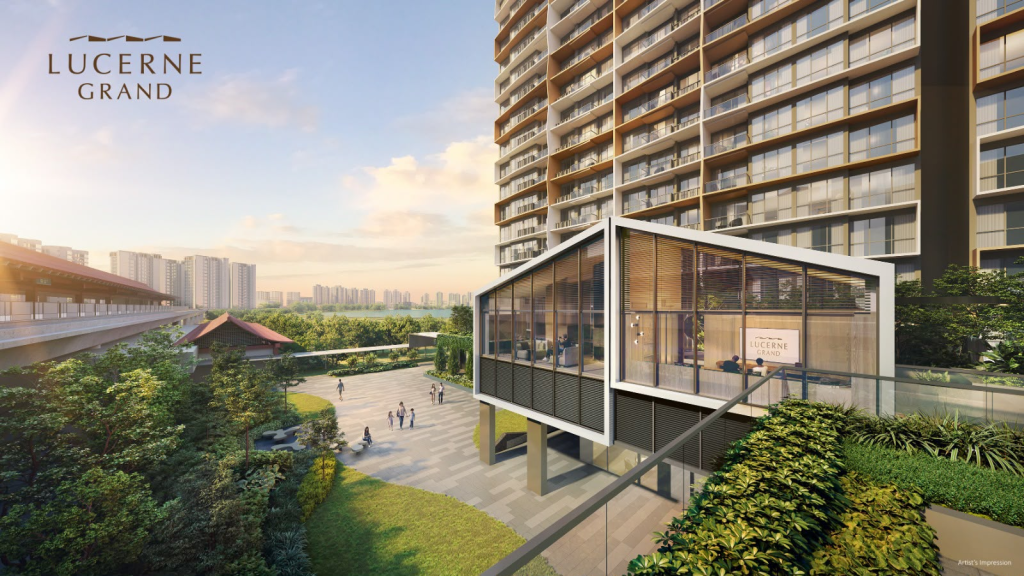
In addition to craftsmanship, the financial health of the development company is paramount. Highly leveraged builders face risks of project delays or cost-cutting measures that compromise the final finish. Choosing a property built by a financially robust entity ensures that the communal amenities, landscaping, and structural elements are completed to the highest standards, preserving the investment value of properties like Lucerne Grand for generations.
Analyzing Market Dynamics and Rental Yield Potential
To accurately project long-term financial returns, investors must look beyond historical price trends and analyze current supply-and-demand dynamics. High-end residential zones often face strict zoning laws that limit the supply of new land, creating natural scarcity that drives capital appreciation. Analyzing historical transactional data in the immediate vicinity of luxury developments reveals how resilient the micro-market is during economic downturns.
Demographic Shifts and Tenant Demand
Understanding the target tenant demographic is key to securing consistent rental income. Areas attracting expatriates, tech professionals, or medical specialists typically support higher rental rates and experience lower vacancy periods. Investors should look for developments situated near major employment centers, business parks, or medical hubs to ensure a steady stream of high-quality renters.
Exit Strategy and Resale Liquidity
A successful investment requires a clear exit strategy. Properties that cater to both owner-occupiers and investors offer greater liquidity when it comes time to sell. While some niche developments appeal only to a small segment of luxury buyers, versatile properties maintain broad appeal due to their balanced mix of lifestyle amenities and practical location, making them easier to liquidate in various market conditions.
Conclusion
Evaluating long-term value in premium real estate requires a balanced examination of location, architectural design, developer credibility, and market dynamics. By analyzing how properties like Thomson Reserve align with future urban planning and transit upgrades, buyers can secure assets poised for steady capital growth. Similarly, assessing the construction quality and tenant demand for developments like Lucerne Grand ensures that the investment yields consistent returns while minimizing maintenance liabilities. Ultimately, a disciplined, data-driven approach allows investors to look past temporary market trends and identify properties that will truly stand the test of time.
