

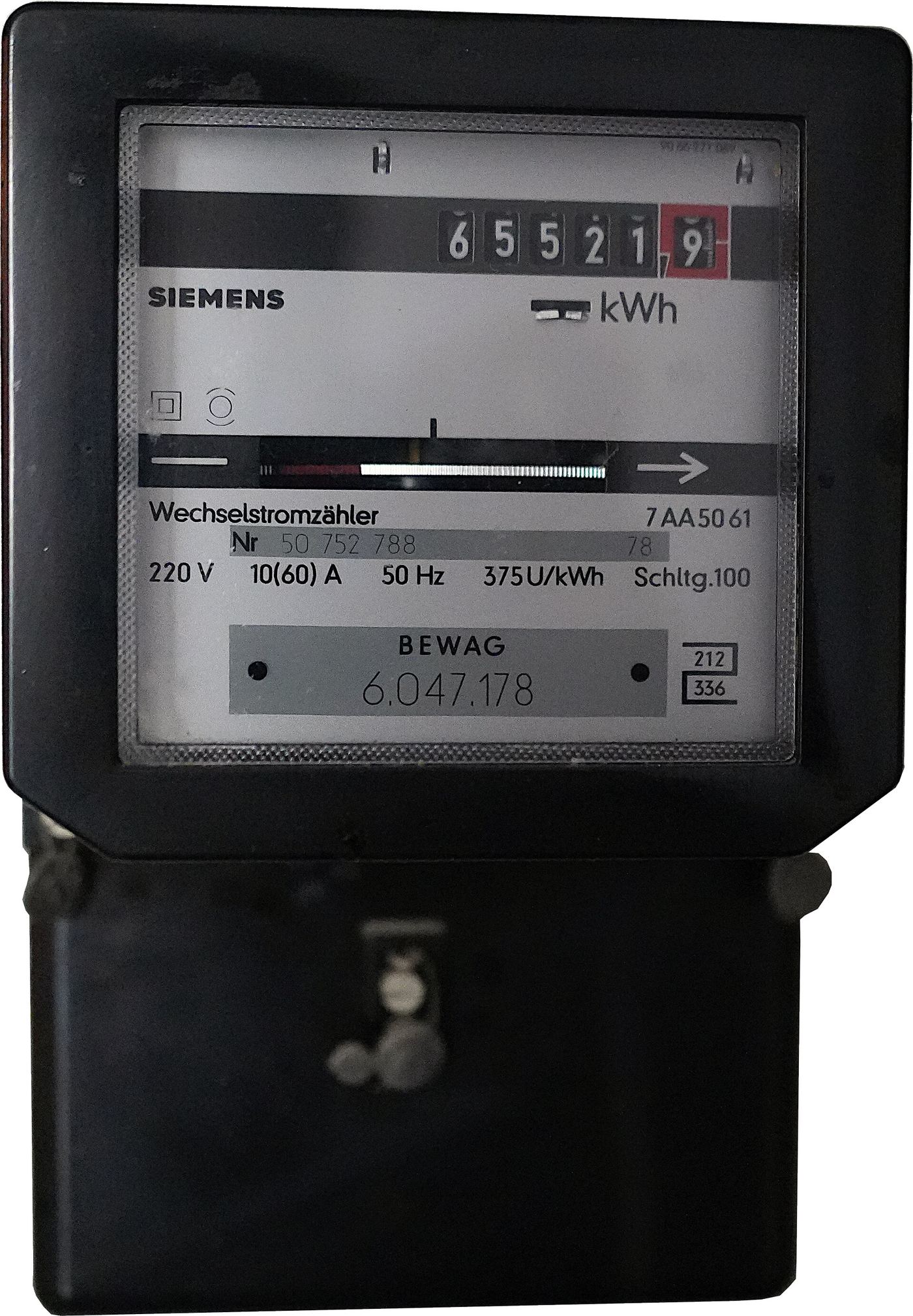
Comparing your electricity use with your neighbours can help you save power, according to a new study by consumer psychologist Dr Yavor Paunov and colleagues. In a 24-week field experiment, the team studied 140 student households in Stockholm, giving some households information comparing their consumption with others and others practical energy-saving tips. Both measures curbed the seasonal increase in electricity use during the winter months, and combined they saved seven megawatt-hours of electricity. The study, published in Scientific Reports, shows that simple psychological nudges can change real behaviour. The households were all students living in university accommodation in Stockholm, and the experiment ran through the winter when heating and lighting push electricity use sharply higher. By comparing the groups, the researchers could separate the effect of social comparison from the effect of practical advice, and see how the two worked together.
What the Evidence Shows
The experiment compared two approaches: nudges, which gently steer behaviour through information and social comparison, and boosts, which build people’s skills and knowledge so they can make better decisions themselves. Both worked, which suggests households do not need expensive technology or large incentives to cut waste, just clear feedback and useful advice. The authors note a limitation: the study focused on student residence halls, so the results may not generalise to all households. Even so, energy providers and policymakers are taking note, because small savings multiplied across millions of homes add up quickly. The idea behind the comparison is simple: people care about how they measure up to others, and learning that neighbours use less power can motivate them to switch off lights and lower the thermostat. The tips, by contrast, worked by showing people exactly what to do, from shorter showers to turning down radiators in unused rooms. Reporting and analysis from sources such as British Psychological Society track the same developments, and specialists following the psychology of saving electricity through comparison say the direction is now consistent across independent lines of evidence.
The Wider Context
Practitioners working with the psychology of saving electricity through comparison emphasise fit over fashion. A technique that transforms one person’s routine can be useless or worse for another, and assessment, what problem, whose life, what constraints, is what separates professional guidance from the generic advice that floods social feeds. The research increasingly studies that matching process itself.
What Happens Next
For readers, the balanced conclusion on the psychology of saving electricity through comparison is that small, well-matched changes beat dramatic overhauls, and that any technique deserves a fair trial of a few weeks before judgement. The studies support patience with the process and scepticism toward promises. That combination, unglamorous as it sounds, is what the evidence actually recommends. You can follow related developments in our coverage of psychology.
It is also worth remembering how quickly the picture in this area has changed before. Positions that looked settled a few years ago have been revised as new data arrived, and the same humility is appropriate now. The strongest coverage of this subject, and the most useful advice, tends to come from sources that update their views openly when the facts move, rather than defending an earlier position long after it has stopped fitting the evidence available.
