

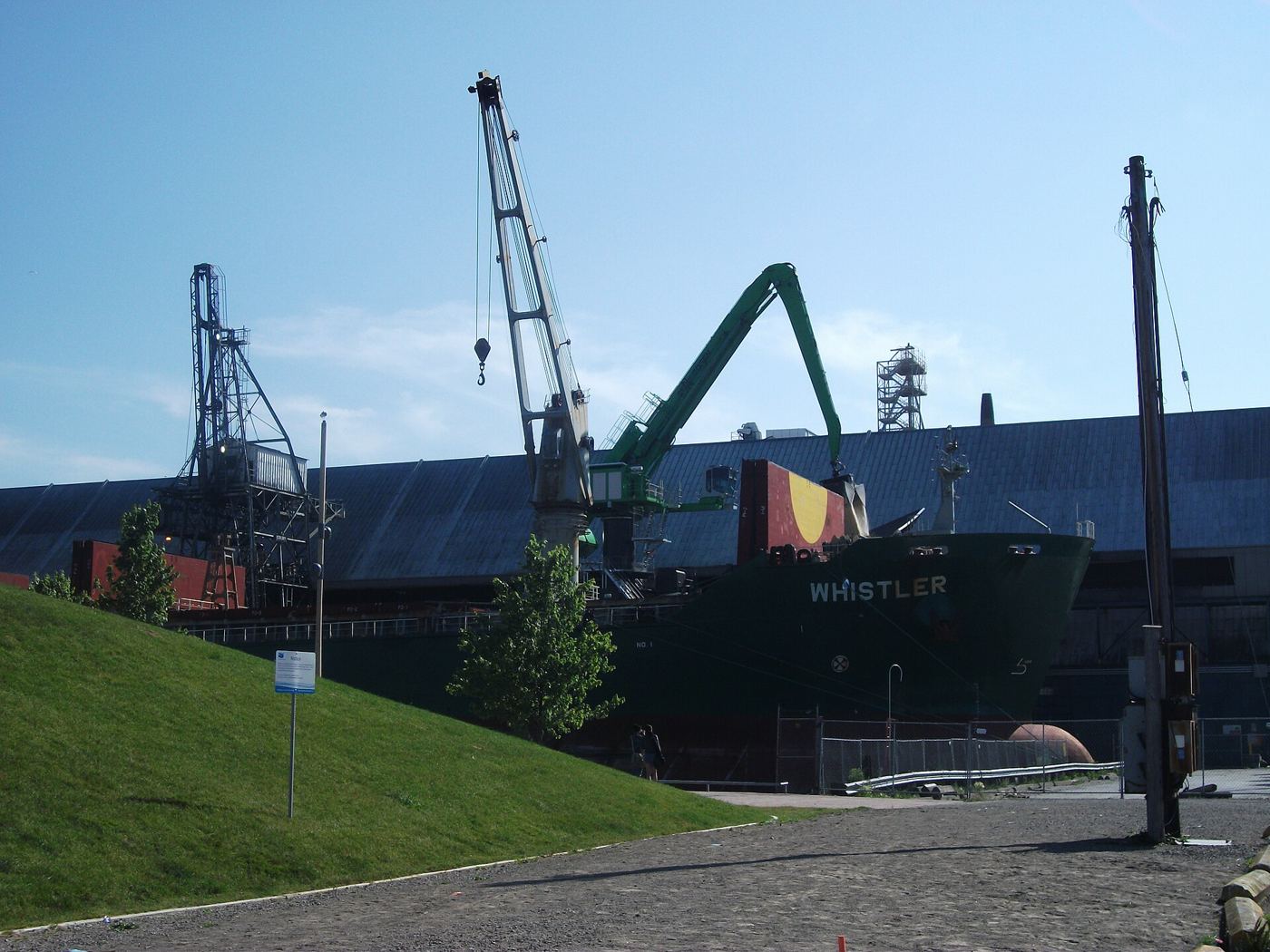
A refinery is one of the most specialised industrial sites on Earth: miles of pipework, distillation towers, hydrotreaters and a workforce that knows them intimately. When fuel demand shifts, the obvious options were once closure or decline. Lately a third option has spread — conversion. Across North America and Europe, ageing oil refineries are being rebuilt to process soybean oil, used cooking oil, tallow and other feedstocks into renewable diesel and sustainable aviation fuel, keeping the site, the skills and much of the hardware in service.
Why conversion beats starting over
The chemistry helps: the hydrotreating units that remove sulphur from crude can, with modification, strip oxygen from biological oils instead — a kinship engineers call co-processing when feedstocks are blended. The infrastructure argument is stronger still. A converted refinery keeps its tanks, jetties, rail links, grid connections and permits, assets that would take a decade and a fortune to replicate on a green field. Policy completes the business case: clean-fuel standards and credits in markets such as California and the EU reward fuels by carbon intensity, and renewable diesel made in a converted plant qualifies immediately.
On oilcitynews.com we have toured conversion projects where the changeover is visible in small details: new feedstock tanks beside old crude lines, laboratories testing batches of waste grease, control rooms running familiar processes on unfamiliar inputs.
The feedstock problem
Every conversion runs into the same constraint: there is only so much waste oil and tallow in the world, and everyone wants it. Prices for used cooking oil have at times exceeded virgin vegetable oil, inviting fraud that regulators now police with traceability audits. Growing dedicated oil crops raises its own land-use questions, which is why the industry is investing in cover crops grown between food harvests and in algae and municipal-waste pathways that remain stubbornly expensive.
Data tracked by the US Energy Information Administration shows renewable diesel capacity multiplying in a few years, with aviation fuel the next frontier because planes, unlike cars, cannot simply plug in. Our Energy analysis suggests the conversion wave will crest when feedstock supply, not engineering, sets the limit.
A bridge with an honest span
Critics call biofuels a distraction from electrification; defenders reply that trucks, ships and aircraft in service today will burn liquid fuel for decades, and cleaner liquid fuel beats dirtier. The converted refineries embody that argument in steel: not the final destination of the energy system, perhaps — but a working bridge, employing real towns, while the destination is built.
The workforce crosses over
For refinery towns, the conversion story is finally a jobs story told the right way round. A closure announcement means a community’s anchor employer leaving; a conversion means retraining instead — process operators learning new feedstocks on familiar units, maintenance crews keeping their certifications relevant, apprentices hired into a plant with a future tense. Unions that once fought conversion plans as greenwashing have become, in several regions, their negotiators-in-chief, trading support for guarantees on headcount and pensions. The lesson travels well beyond biofuels: industrial transitions are survivable by the people inside them when the plan is conversion rather than abandonment — when the site, the skills and the town are treated as assets to be reused, not costs to be written off.
