

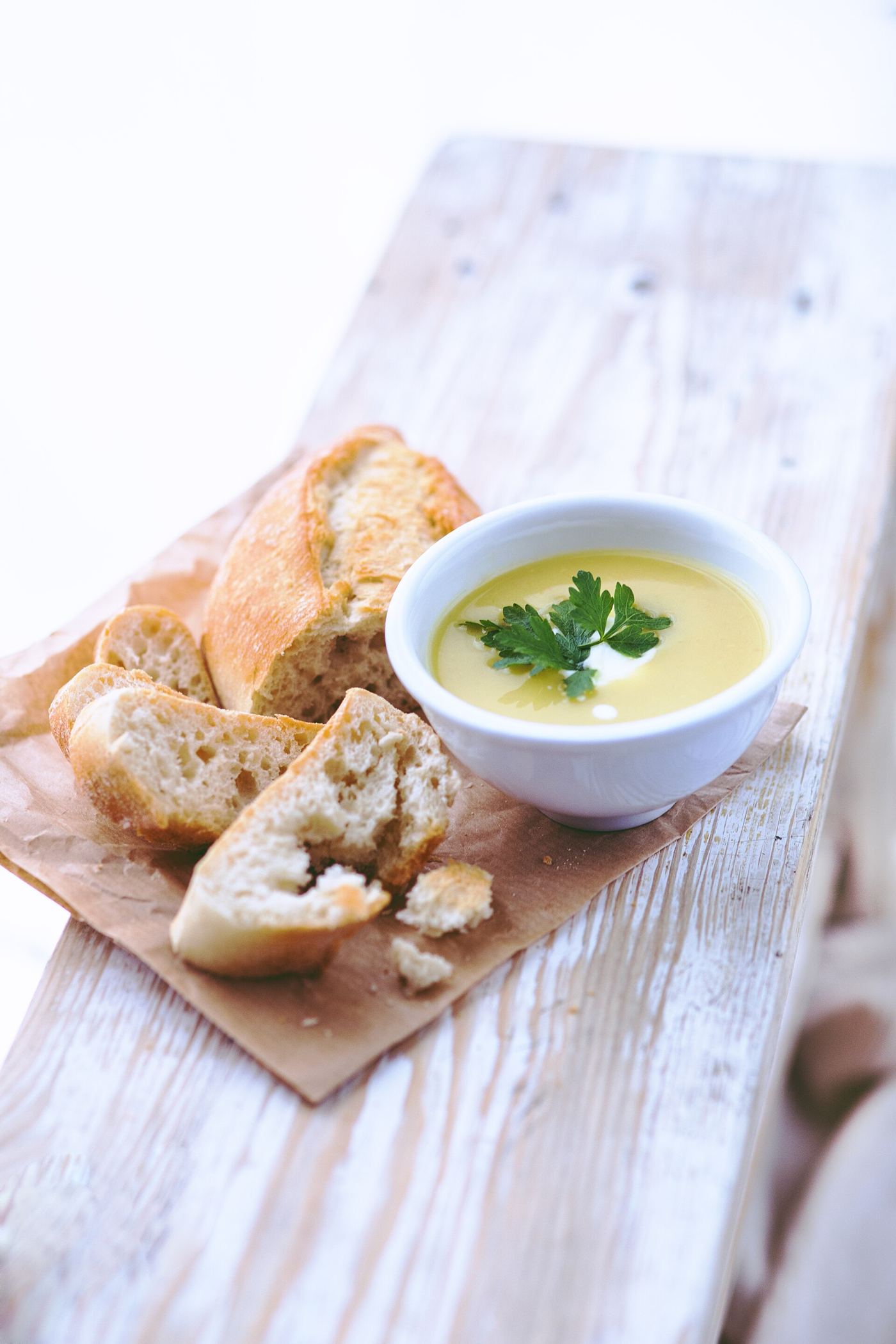
Community cooking groups are helping families build confidence in preparing healthy meals from affordable ingredients, with sessions focused on simple techniques rather than complicated recipes. Participants learn together how to chop and store vegetables safely, build balanced soups and stews, and adapt dishes to suit children and different tastes within the same household. Organisers say cooking alongside others makes trying unfamiliar foods less daunting and gives people a chance to share tips on shopping, storing produce, and reducing waste. Many sessions end with everyone eating together, turning practical learning into a relaxed social occasion that encourages people to return.
What the Evidence Shows
Group leaders pay particular attention to budget, showing how frozen vegetables, tinned beans, and seasonal produce can form the basis of filling meals without relying on expensive specialty items. Recipes are chosen so they can be repeated at home with basic equipment, and written cards use clear steps and photographs for anyone who finds long instructions difficult. Health workers who refer families to the groups say the benefits often extend beyond nutrition, including improved confidence, new friendships, and a stronger routine around mealtimes. New courses are planned for the winter term, with some evening sessions added for parents who work during the day. Reporting and analysis from sources such as The Lancet track the same developments, and specialists following healthy cooking group sessions say the direction is now consistent across independent lines of evidence.
The Wider Context
Equity runs through every discussion of healthy cooking group sessions. Interventions that require apps, fees or free weekday afternoons reliably reach the people who need them least, so the programmes earning praise are those designed around clinics, workplaces and community venues that already serve everyone. Evaluation reports now publish uptake by income and region as a matter of routine.
What Happens Next
The practical takeaway on healthy cooking group sessions is deliberately unglamorous: it works best as part of ordinary, well-delivered care rather than as a standalone fix. Health services are planning on that basis, building the referral routes and follow-up that turn a promising result into population benefit. The gains arrive slowly and then, in the statistics, unmistakably. You can follow related developments in our coverage of health.
It is also worth remembering how quickly the picture in this area has changed before. Positions that looked settled a few years ago have been revised as new data arrived, and the same humility is appropriate now. The strongest coverage of this subject, and the most useful advice, tends to come from sources that update their views openly when the facts move, rather than defending an earlier position long after it has stopped fitting the evidence available.
None of this will be settled by a single announcement, study or product launch. The pattern to watch is accumulation: independent confirmations, honest reporting of failures and steady improvement in the underlying numbers. Readers who follow those signals, rather than the loudest claim of the week, will understand this subject better than most of the commentary surrounding it suggests is possible.
